
Deep Dive
来自我们记者的行业洞察
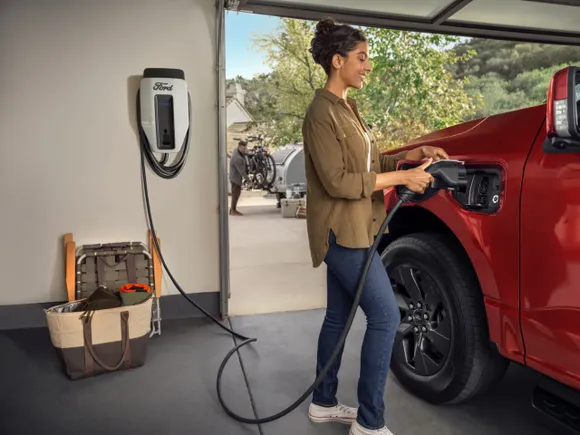
How will the adoption of Tesla’s NACS port affect automakers’ EV charging businesses?
Several automakers, including General Motors, Ford, and Mercedes-Benz, plan to transition from the CCS connector to Tesla's NACS connector. Experts say standardizing the NACS connector will enhance charging convenience, but home charging remains critical. Automakers' investment and strategies in residential charging products are diverging, and competition among third-party charging equipment is intensifying, which may affect consumer EV adoption rates.

EV sales are rising. So why are automakers nervous?
U.S. electric vehicle sales reached a record 313,086 units in the third quarter of 2023, up 49.8% year-over-year, but slowing market growth, falling prices, and rising inventory are worrying automakers. General Motors, Ford, and others have delayed or canceled some electrification investments, and experts believe the industry is facing a painful transition period from early adopters to the mainstream market.
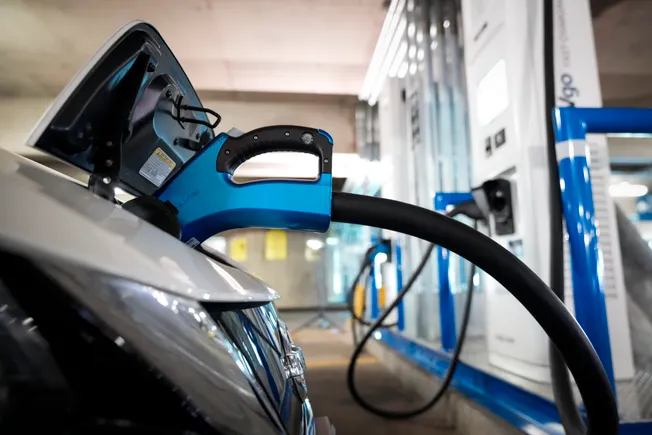
Power Companies Join Hands with the Automotive Industry: GM, BMW, Lyft and Others Collaborate to Accelerate EV Adoption
With the growing adoption of electric vehicles, U.S. electricity demand is projected to rise by 38% by 2050. Power companies are collaborating with automakers, dealers, and ride-hailing companies to explore technologies like smart charging and vehicle-to-grid integration to ensure grid stability. This article reviews partnership cases involving PG&E, ConEd, Dominion, Xcel, and Peninsula Clean Energy.
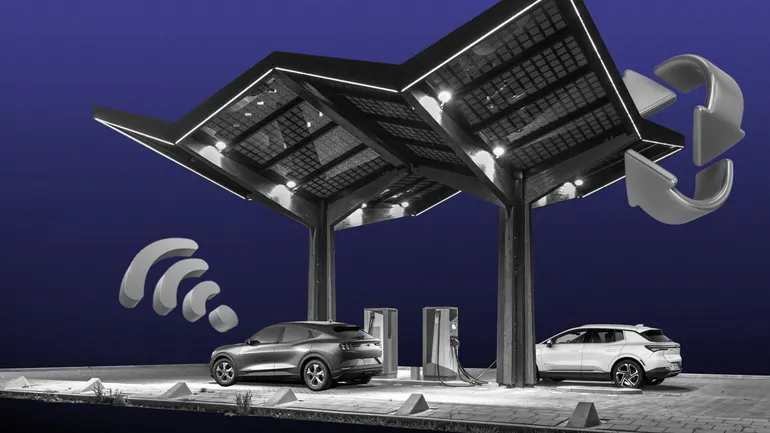
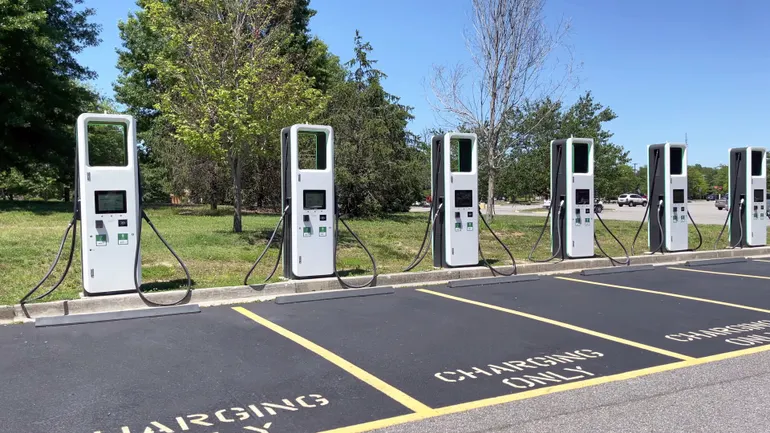
IRA implementation rules pending, U.S. electric vehicle transition faces uncertainty
Although the U.S. Inflation Reduction Act provides substantial funding support for the electric vehicle industry, its tax credit eligibility rules are complex, and key IRS guidance has not yet been issued, raising concerns among automakers, utilities, and other stakeholders. Over 880 comments have been submitted, urging clarification of rules on battery components, critical mineral procurement, and other details to balance consumer convenience with industry transition goals.