
Deep Dive
来自我们记者的行业洞察
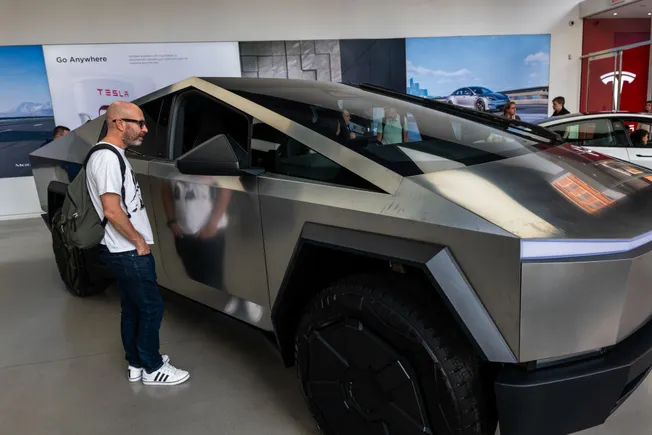
Omnichannel, first-party data top automotive marketing trends in 2025
Industry experts say that creating a seamless omnichannel car-buying journey and investing in first-party data to improve customer retention and conversion are key to success in the automotive retail market in 2025. New car sales are expected to range between 15.6 million and 16.3 million units, but changing consumer habits and a reduction in lease expirations present challenges.

Trump’s tariffs aim to reverse decades of industry decline. Will they succeed?
President Trump has repeatedly claimed that tariffs will revitalize American manufacturing, attract large-scale investment, and create jobs. Recently, Hyundai Motor and TSMC announced massive investment plans, but experts point out that policy uncertainty and cost disadvantages may limit follow-up by small and medium-sized enterprises. Manufacturing's share of GDP fell from 16% in 1997 to 11% in 2021, with employment also continuously declining. Whether tariffs can truly reverse the long-term downturn remains to be seen.
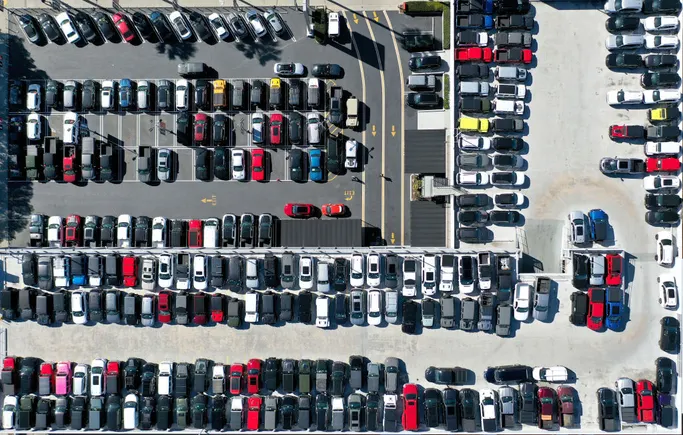
Inventory management key amid EV uncertainty, affordability woes, experts say
As new car inventory in the U.S. stabilizes near the target level of 60-80 days, automakers must ensure their product mix aligns with consumer demand. However, federal support policies for EVs are fraught with uncertainty due to Republican control, and consumer affordability issues remain prominent. Experts point out that the key to inventory management lies in balancing production, incentives, and regional demand; cutting production is usually better than price reductions, but union contract costs and market segment differences must be considered.
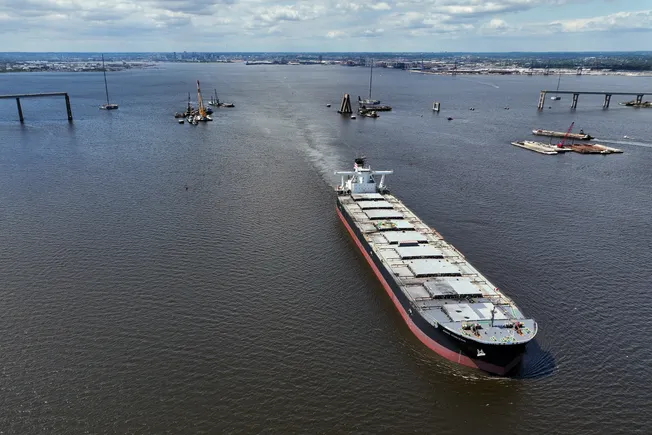
The Port of Baltimore is reopened from the bridge collapse. How much cargo will return?
The Port of Baltimore fully reopened on Wednesday after the bridge collapse, but Executive Director Jonathan Daniels expects ship numbers to recover only by 2025. Although some shippers have returned, trucking and labor still face challenges, and the port is enhancing resilience through new data sharing and infrastructure investments.
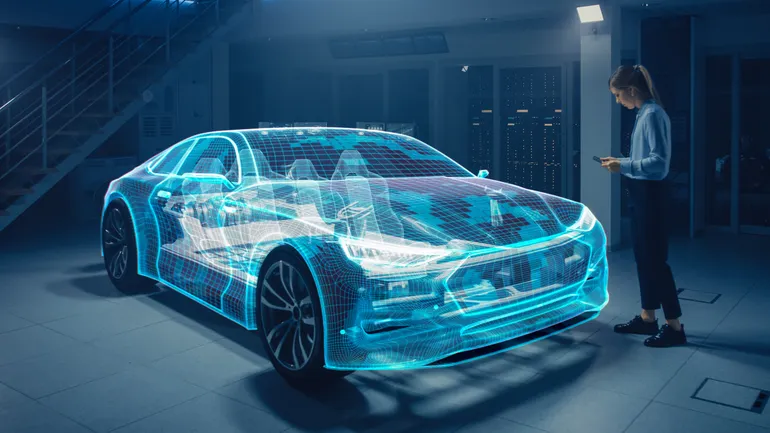
Why aren’t more women joining automotive manufacturing?
From factory floors to executive suites, men have long dominated the automotive industry. Data shows that as of 2020, women accounted for only 24% of the automotive manufacturing workforce. With the electric vehicle transition driving factory expansion and hiring needs, how to increase women's participation has become a focal point for the industry. This article draws on insights from multiple industry experts to analyze the various barriers women face and introduces response measures taken by companies such as Toyota.
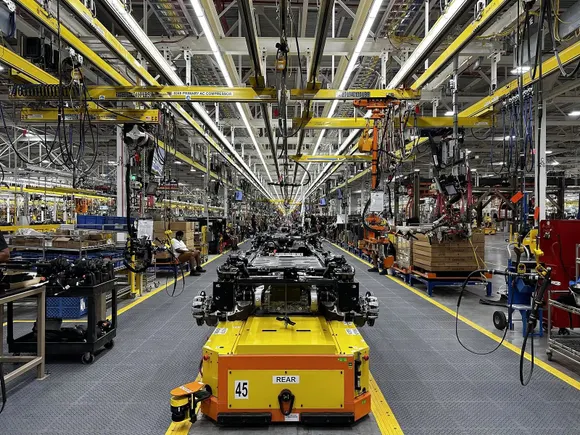
The UAW won big for future EV battery plants
In 2019, General Motors closed its Lordstown plant in Ohio, and in 2022, the Ultium Cells battery plant, a joint venture with LG Energy Solution, opened there with an hourly wage of $15.50, far below that of assembly workers. In 2023, new contracts between the UAW and the Big Three automakers allow laid-off assembly workers to transfer to battery plants and be covered by the master agreement, leading to substantial wage increases. Experts note that this will raise automaker costs, but most battery plants are not yet built, and unionization will take time. Ford has not fully committed but faces pressure. Joint venture partnerships remain crucial, but anti-union sentiment could lead to a breakdown in cooperation.
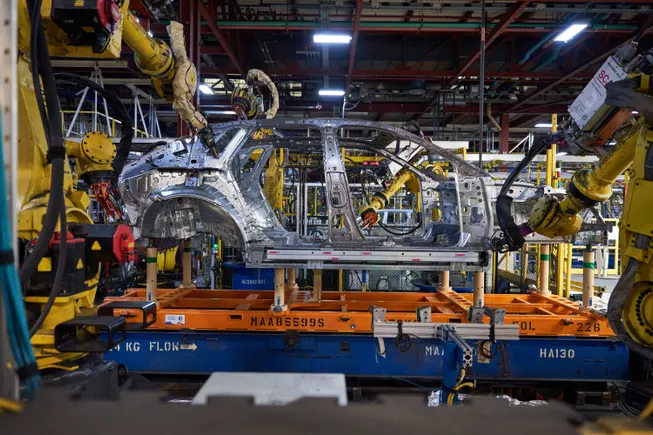
Automotive consumer trends in 2024
In 2024, the U.S. automotive market begins with stable inventory and softening demand, but high interest rates, low consumer confidence, insufficient charging infrastructure, and policy uncertainty may weigh on sales and the pace of electrification. Drawing on analyses from multiple industry experts, this article explores core issues such as new vehicle prices and monthly payment pressures, the slow expansion of charging networks, IRA policy adjustments, and changes in tax credit eligibility.
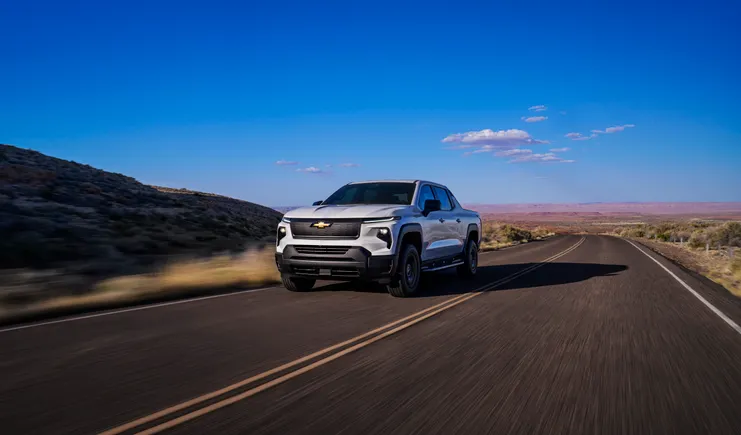
3 EV trends shaping the auto industry in 2024
In 2024, the automotive industry, after experiencing supply chain disruptions and a surge in electrification investment, is facing the reality of slowing demand. Automakers such as General Motors and Ford are adjusting their electric vehicle production targets, supply chains are accelerating their shift away from China, and the battery recycling industry is emerging due to cost and sustainability considerations. Based on interviews with industry experts, this article analyzes three core trends.

Mexico’s nearshoring wave is years in the making
Mexico's nearshoring trend continues to heat up, with the automotive manufacturing sector attracting record foreign investment, but investment distribution is uneven. Experts point out that a mature industrial base, a network of free trade agreements, and geographic proximity are its core attractions.